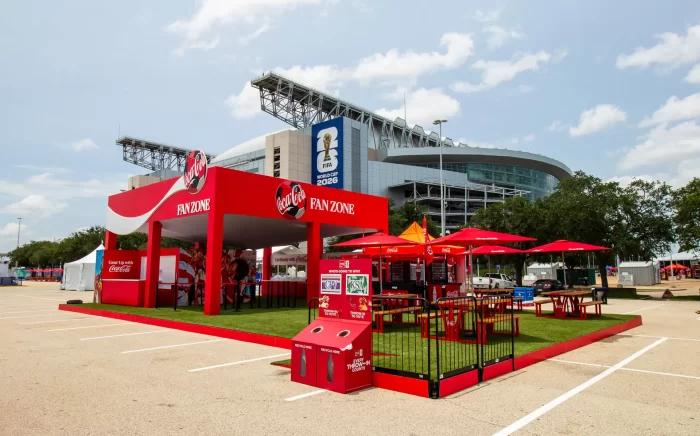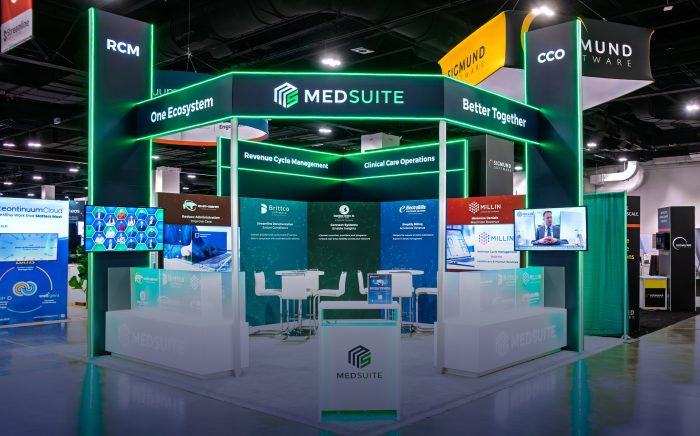
In today’s competitive trade show environment, a visually impressive exhibit is only one element of success. Effective exhibit programs rely on coordinated operational strategies that ensure every detail — from fabrication and freight to installation and dismantling — functions seamlessly.
Even the best booth design can fall short if it arrives late, is installed incorrectly, or faces logistical issues on-site. As trade shows grow in scale and complexity, operations and logistics have never been more critical to protecting your investment and your brand.
At 2020 Exhibits, we recognize that successful exhibit programs demand more than creativity. They require precise execution, strategic planning, and experienced operational management at every stage.
Operations & Logistics: The Backbone of Exhibit Success
While many exhibitors focus on visual impact, true exhibit success often depends on behind-the-scenes operations. Each venue carries unique regulations, labor requirements, freight deadlines, and installation specifications. Navigating these complexities requires deep industry expertise and proactive coordination.
With over four decades of experience, our operations teams ensure exhibits are designed, fabricated, shipped, and installed in full compliance with each event’s requirements. From understanding venue restrictions to managing freight timelines, operational precision is what transforms concepts into successful brand experiences.
As show floors grow more competitive and marketing teams struggle to scale resources for larger programs, partnering with an experienced turnkey provider becomes increasingly valuable.
Building a Seamless Exhibit Experience
A seamless exhibit experience starts well before the show floor opens. Effective operations require collaboration across planning, scheduling, fabrication, transportation, installation, dismantling, and storage.
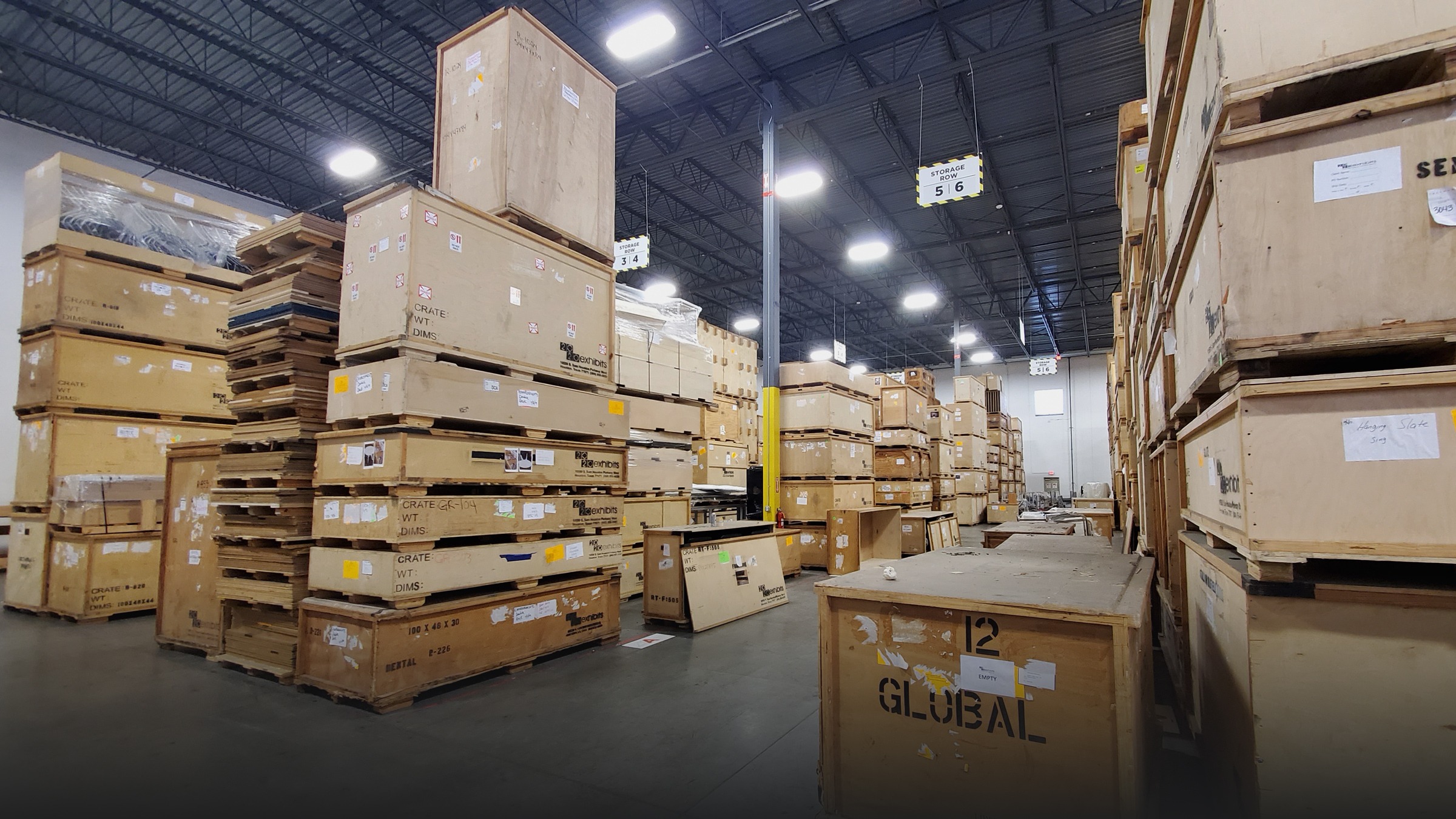
When operations are managed under one roof, exhibitors benefit from streamlined communication, faster problem-solving, and greater consistency. Coordinated departments help prevent delays, reduce confusion, and minimize costly mistakes before they happen. With more than 250,000 square feet of combined facility space across our Houston and St. Louis locations, 2020 Exhibits has the infrastructure to design, fabricate, store, and manage exhibit programs of any scale — all under one team.
Integrated logistics and warehousing also provide critical flexibility for exhibitors managing multiple events throughout the year. Dedicated storage and organized asset management keep exhibit materials protected, accessible, and ready to deploy at a moment’s notice.
The Importance of Strategic Pre-Show Planning
Strong exhibit programs are built on proactive planning. Early operational coordination identifies potential risks before they become major challenges on show day.
Venue regulations, labor rules, shipping windows, production schedules, and show deadlines must all align for a successful launch. Without a detailed operational roadmap, even minor disruptions can snowball into significant problems.
At 2020 Exhibits, we approach every development phase collaboratively, offering clients full transparency into timelines, logistics, and production milestones. This close coordination enables proactive decision-making that keeps projects on schedule and within budget — every time.
Freight & Transportation: The Lifeline of Live Events
Freight management is one of the most critical — and most underestimated — aspects of any exhibit program. Coordinating inbound and outbound shipments requires precise timing, specialized handling, and ongoing communication between multiple parties.
Custom exhibit structures, technology integrations, branded assets, and experiential components all require careful transportation planning to avoid damage or delays. Reliable logistics ensure every component arrives safely and on time, no matter where the event is held.
For brands exhibiting internationally, the complexity increases considerably. Customs regulations, compliance requirements, and international freight coordination demand experienced operational oversight to prevent costly disruptions that can derail even the best-planned programs.
Installation & Dismantle Coordination
Even after freight arrives on-site, the operational work is far from over. Installation and dismantling coordination significantly impacts overall event performance and long-term program costs.
Operations teams manage labor crews, electricians, rigging, material handling, and on-site scheduling to ensure exhibits are show-ready before doors open. Detailed dismantle planning minimizes overtime charges, reduces the risk of damage, and streamlines outbound shipping so assets are protected for the next event.
Experienced on-site management also empowers teams to respond quickly to unexpected challenges, preventing small issues from affecting the overall exhibitor experience.
Managing Multi-Show Exhibit Programs
Many brands participate in multiple events across various cities, industries, and timelines each year. Managing these programs effectively requires scalable operational systems and centralized logistics coordination.
With dedicated warehousing and experienced multi-show management teams, exhibitors can transition smoothly between events without rebuilding processes from scratch. Centralized logistics improve communication, asset tracking, scheduling, and exhibit consistency across every show.
This operational scalability is especially valuable for national and global exhibit programs where timing, consistency, and efficiency are non-negotiable.
Driving Cost Efficiency & ROI
Strong logistics planning not only improves execution — it also helps control costs and maximize return on investment.
Advanced scheduling reduces rush shipping fees and overtime labor costs. Organized inventory management extends asset lifespan and improves reusability. Consolidated storage and shipping optimize efficiency and reduce unnecessary expenses that can quietly erode program budgets.
Effective operational management helps exhibitors protect their investment and maximize the long-term value of every exhibit program.
Risk Management in a Fast-Paced Environment
Trade shows are dynamic environments with many moving parts and unexpected variables. Weather delays, freight issues, labor shortages, venue restrictions, and last-minute timeline changes can all impact execution.
Experienced operations teams anticipate disruptions early and develop contingency plans to minimize risk. Rapid response and adaptability are essential for protecting timelines, budgets, and event success. Solving problems quickly on-site is often what separates a smooth, memorable exhibit experience from a stressful one.
Technology’s Growing Role in Exhibit Operations
Modern exhibit operations are evolving through the integration of technology and data-driven logistics management. Digital tracking systems improve visibility across shipping, inventory, and asset management. Project management platforms enhance communication among clients, designers, fabricators, and logistics teams. Real-time updates enable faster decision-making both on-site and during pre-show planning.
These tools not only improve efficiency today — they also provide valuable insights that strengthen future exhibit programs and give clients greater confidence and peace of mind throughout every event.
A dedicated operational structure allows brands to focus on what matters most: audience engagement, networking, lead generation, and event strategy — not logistics.
Sustainability Through Smarter Logistics
Sustainability is an increasing priority across the events industry, and smart logistics planning plays a key role in supporting these goals. Efficient transportation, reusable assets, strategic warehousing, and consolidated shipping all reduce waste and environmental impact.
Smarter logistics improve operational efficiency while supporting the long-term sustainability initiatives that matter to brands, event organizers, and attendees alike.
Operational Excellence as a Competitive Advantage
At the highest level, operations and logistics are not just support functions — they are strategic drivers of exhibit success. Great operational execution transforms exhibits from temporary structures into dependable, consistent brand experiences. Consistency, reliability, and scalability build trust among exhibitors, event organizers, and attendees.
As trade shows continue to evolve, companies with strong operational capabilities are better positioned to innovate, scale, and deliver memorable experiences at every event.
Behind every successful exhibit program is a dedicated team ensuring that design, fabrication, logistics, setup, dismantle, and storage work seamlessly together. That coordination is what enables brands to show up confidently — and make a lasting impact on the show floor.
Ready to elevate your exhibit program with operational excellence? Contact 2020 Exhibits today and let’s build something exceptional together.